
Define the environment envelope and coupled fields
Turn the task into verifiable measurands: state which standard or technical agreement defines %s, and fix the record fields.
Test plan for "Outgassing and contamination control". Specimens of 2024 aluminium riveted joint are measured under steam atmosphere at 800 °C following extreme-environment testing. The plan fixes sampling, measurement parameters, acceptance basis and record format, and reports conductivity and resistivity with explicit limits of interpretation.
Method name and standard edition
Sampling location, specimen condition and count
Environment, equipment and calibration status
Result, dispersion, uncertainty and decision
Reusing historical data from a similar material while ignoring batch and process differences
Reporting only a mean value without dispersion, repeatability or uncertainty
Turn the task into verifiable measurands: state which standard or technical agreement defines %s, and fix the record fields.
Prepare specimens or measurement points for the material and purpose: confirm the temperature limits of furnace, grips, sensors and specimen, evacuate or purge and stabilise before loading, and control heating and cooling rates.
Verify calibration status, fixtures and sensor ranges against the environmental envelope; complete the uncertainty budget before measuring.
Execute the fixed method with identical parameters; stabilise the environment within the specified time and log any abnormal condition separately.
Judge the main value, outliers and repeatability; keep raw records for any rejected point and state the basis instead of deleting it.
Report method, conditions, results, uncertainty and applicability limits; do not extrapolate beyond the tested environment.
Teaching example: use 2024 aluminium riveted joint measured under steam atmosphere at 800 °C to show the record format and decision flow; values are assumed, not customer measurements.
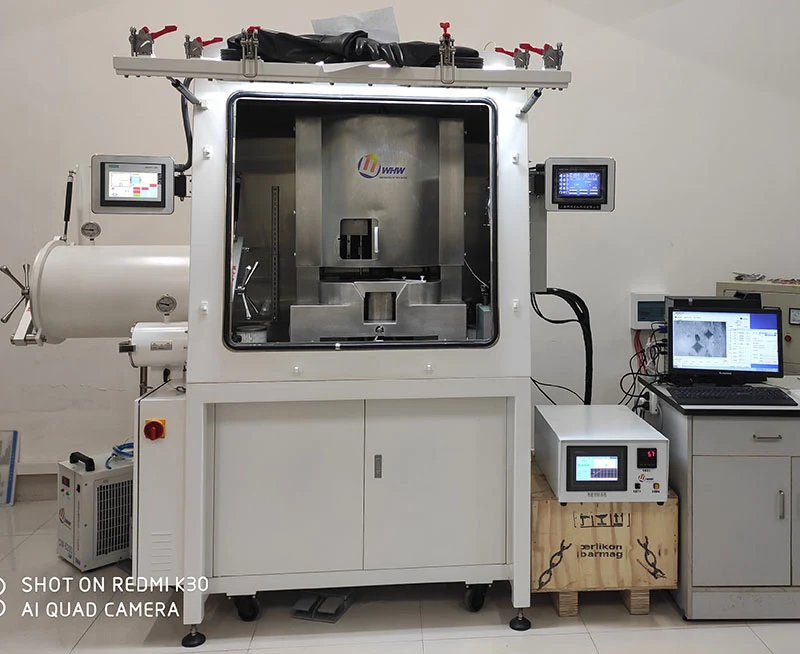
Explore the original technical specifications, related methods and confi
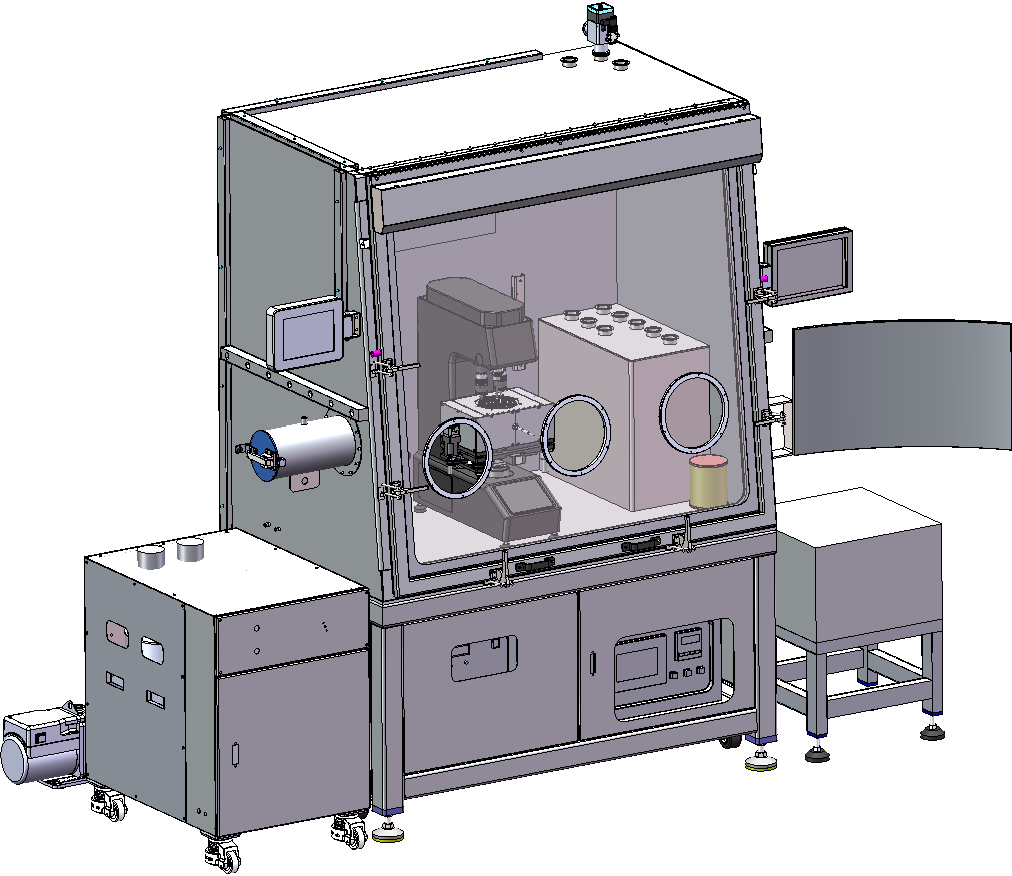
For materials testing at room temperature–600°C, with in-situ optical ob
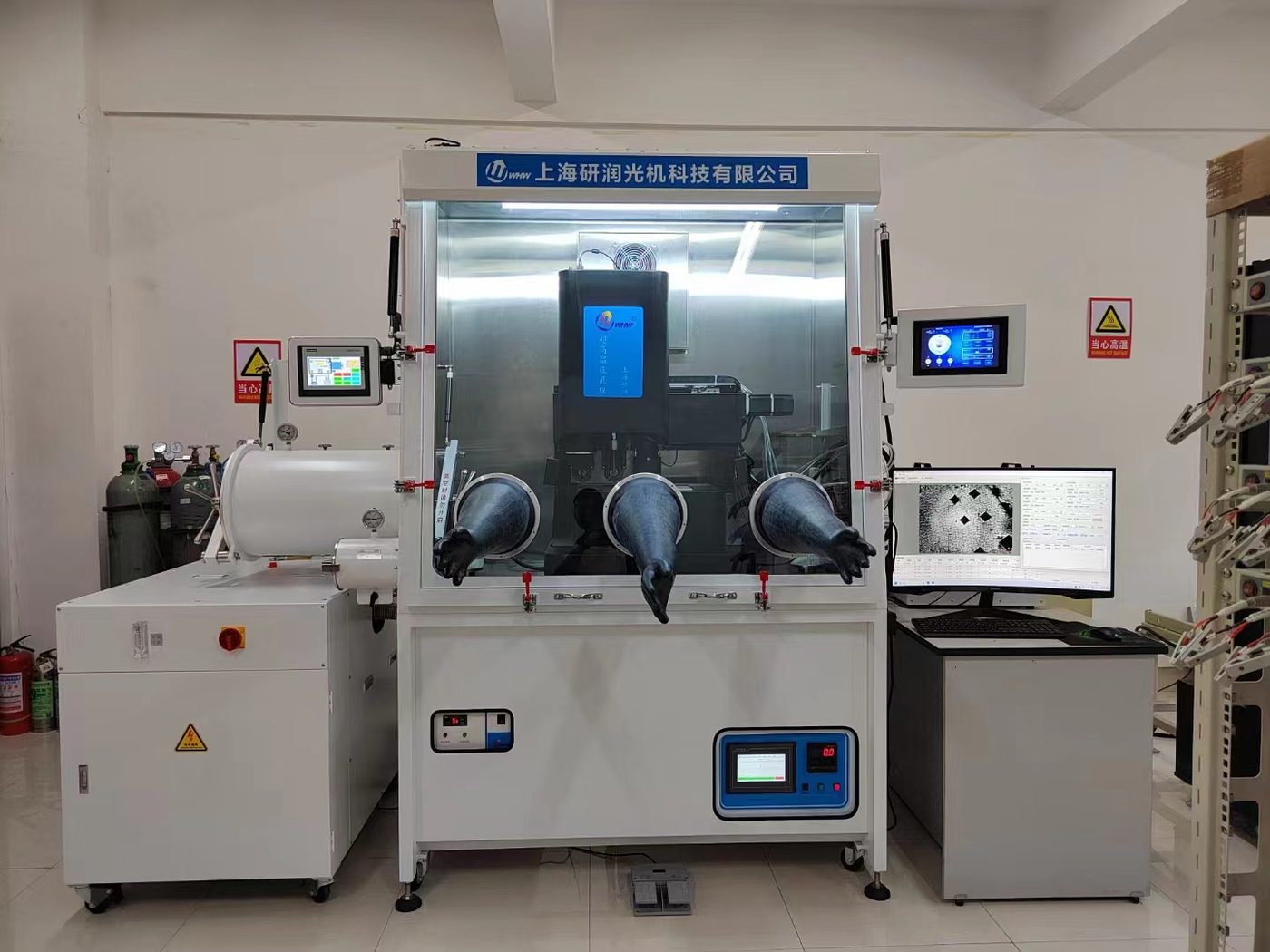
For materials testing at room temperature–600°C, with in-situ optical ob
For materials testing at room temperature–800°C, with in-situ optical ob
Links support navigation and do not establish a model’s performance or standards compliance.
Tell us about your material, specimen and measurement goal.