
定义层与指标
记录涂层/基体材料、喷涂或沉积工艺、热处理和关注区域。将厚度、二维孔隙面积、未熔颗粒和裂纹分开定义,说明每类目标的边界及无效区域,不用一个总缺陷率混合统计。
Protect interfaces before quantifying coating thickness, pore area and defects. Link originals, masks and statistics to distinguish process features from preparation artefacts.
Translation pending review.
金属或陶瓷涂层及其基体;微薄沉积层需先检查成像和制样分辨能力。
Translation pending review.
低损伤截取、低收缩支撑、保边磨抛、阶段复查。
Translation pending review.
法向厚度、有效视场孔隙面积、界面形貌和缺陷位置。
Translation pending review.
薄层保边:5%的厚度差从哪里来:模型与量纲
Translation pending review.
Δt=t2−t1;相对差=Δt/t1×100%
Translation pending review.
第一阶段厚度=80 µm;第二阶段厚度=76 µm
Translation pending review.
比较条件必须一致。薄层真实起伏、截面倾斜、不同测量方向和界面阈值均会造成差异;本例不代表任何耗材的性能排行。
Translation pending review.
假设输入演算:76−80 = -4 µm;−4/80×100 = -5 %。第二次测量低5%仅说明两次读数不同。结合倒圆图像才能提出制样影响假设;若没有独立参考、多个测点和重复试样,无法把第一次数值当作无误差真值。
Translation pending review.
边缘倒圆、浮凸、拔出和拖尾
Translation pending review.
阈值选择与目标合并
Translation pending review.
视场取样偏倚和截面倾斜
Translation pending review.
带测量线原图及掩膜
Translation pending review.
厚度分布与视场有效面积
Translation pending review.
制样路线和不确定性来源
Translation pending review.
截面没有可见裂纹不等于结合强度达标。
Translation pending review.
树脂间隙或拔出坑不能直接计作原生孔隙。
记录涂层/基体材料、喷涂或沉积工艺、热处理和关注区域。将厚度、二维孔隙面积、未熔颗粒和裂纹分开定义,说明每类目标的边界及无效区域,不用一个总缺陷率混合统计。
选择可支持薄层的夹持与镶嵌方式,控制固化收缩和温升。切割方向与支承应降低涂层剥离风险;是否真空浸渍取决于孔隙连通性、材料以及后续识别方法。
逐级去除损伤并复查界面浮凸、硬颗粒拔出和软金属覆盖孔隙。不同阶段留图进行对照,不能只因表面亮度均匀就认为孔隙完整暴露;发现疑点时优先优化制样。
沿界面法向测量多位置厚度,使用实际倍率校准。孔隙分割保存掩膜和阈值,并按预定视场抽样;同一层的自然起伏、斜切截面和边缘模糊应在记录中区别标注。
分别汇总厚度分布、孔隙面积分数和缺陷类别,注明视场/试样层级。界面形貌可提示进一步调查,但不能单凭显微图证明结合强度,也不能把二维面积自动称为体积孔隙率。
教学案例见本页关联计算:薄层保边:5%的厚度差从哪里来。案例的载荷、尺寸和读数全部为假设,用于逐步演算及误差分析,不代表某客户、论文实测或本公司产品性能。
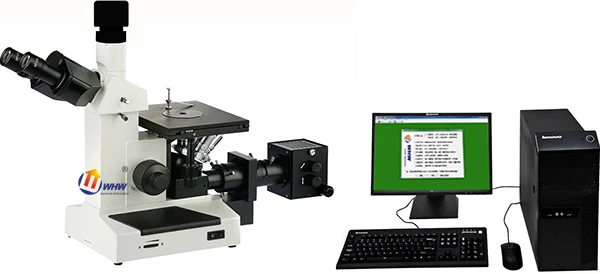
Explore the original technical specifications, related methods and confi
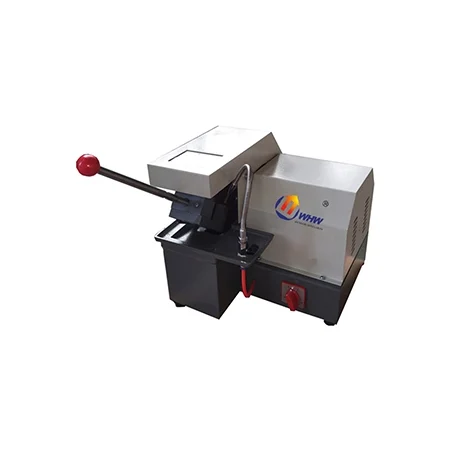
Explore the original technical specifications, related methods and confi
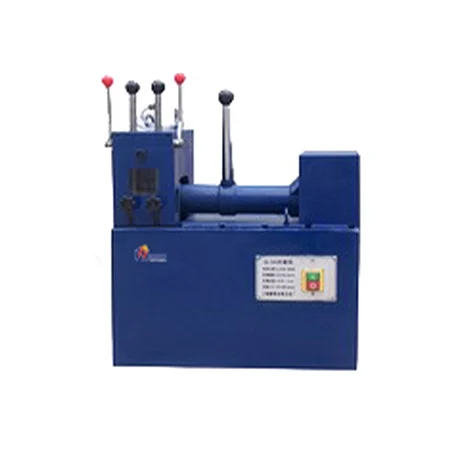
Explore the original technical specifications, related methods and confi
Explore the original technical specifications, related methods and confi
Explore the original technical specifications, related methods and confi
Explore the original technical specifications, related methods and confi
Links support navigation and do not establish a model’s performance or standards compliance.
Tell us about your material, specimen and measurement goal.